FOR IMMEDIATE RELEASE
Research Funded by Bay Area Lyme Foundation Identifies New Investigational Therapy Regimen Capable of Irreversibly Damaging Lyme Bacteria in Laboratory Tests
Inspired by research that targets cancer tumors, these new findings in Lyme could also lead to novel R&D strategies for other diseases
PORTOLA VALLEY, Calif. November 1, 2023—Bay Area Lyme Foundation, a leading sponsor of Lyme disease research in the US, today announced the development of a potential new drug, HS-291, that targets and destroys Borrelia burgdorferi, the bacterium that causes Lyme disease. Published in the peer-reviewed journal Cell Chemical Biology, this laboratory study represents a novel paradigm shift for anti-microbial treatment research as it is the first to target and inhibit Borrelia burgdorferi HtpG (high temperature protein G), a specific type of enzyme within the bacteria that causes Lyme disease— a condition affecting nearly 500,000 new patients annually. The research was conducted at Duke University School of Medicine, with collaboration from University of North Carolina, Tulane University, and Stanford University, and HS-291 is currently in preclinical stage testing at UC Davis.
“As Lyme disease is currently treated with broad spectrum antibiotics and there are no targeted treatments, we are particularly excited about this discovery, and hopeful that our novel Lyme disease therapeutic HS-291 will specifically destroy the Lyme bacterium without off-target effects or antibiotic resistance,” said Timothy Haystead, PhD, professor of Pharmacology and Cancer Biology, Duke University School of Medicine, Bay Area Lyme Foundation grantee, and co-lead author. “This research has been an incredible opportunity to leverage knowledge from oncology to Lyme disease in order to design an investigational therapeutic that could one day benefit hundreds of thousands of patients with Lyme.”
This new discovery has implications beyond Lyme disease as it demonstrates that using the drug HS-291 to deliver cellular toxins to HtpG, a type of non-essential enzyme that assists the folding or unfolding of large and complex proteins, greatly expands what can be considered druggable within any pathogen and opens a whole new area of infectious disease research.


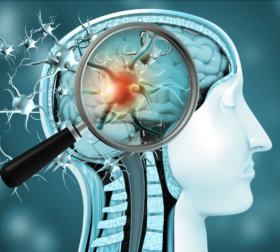 Robert Bransfield: Well, not enough. If you look at the old views of what caused psychiatric issues, it was thought to be demonic possession. Then we blamed our mothers, and then we blamed serotonin. It doesn’t quite make sense (to people) that there’s something that causes psychiatric illness. But these illnesses don’t just come out of nowhere.




 In this conversation between Ticktective™ host Dana Parish and Harvard-trained