FOR IMMEDIATE RELEASE
Bay Area Lyme Foundation Raises $900,000 at LymeAid 2026, Presenting Inaugural Neil L. Spector, MD, Legacy Award and $300,000 in Emerging Leader Grants
Dana Carvey Emceed; Chris Isaak Performed at Annual Gala Advancing Lyme and Tick-Borne Disease Research
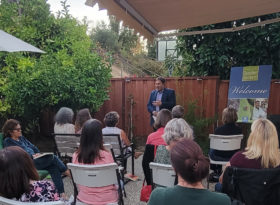
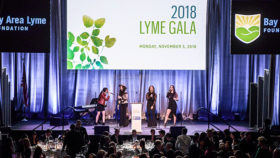
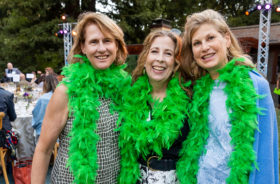
PORTOLA VALLEY, Calif., May 27, 2026 — Bay Area Lyme Foundation, the nation’s leading public charity funder of Lyme disease research, raised $900,000 at LymeAid 2026, its annual benefit gala, over the Memorial Day weekend. The evening brought together leading scientists and clinicians, patients, and supporters united by a shared conviction: Lyme disease and other tick-borne infections should not be hard to diagnose, hard to treat, or easy to dismiss, and the science to change that is within reach.
Emmy Award-winning comedian Dana Carvey served as Master of Ceremonies. “This was my third time hosting LymeAid, and let me tell you, this community has more determination than my Church Lady character at a bake sale,” said Carvey.
Platinum-selling, GRAMMY-nominated singer Chris Isaak and his band Silvertone closed the evening in concert.
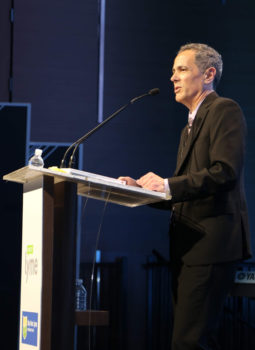
“Saturday night, LymeAid 2026 attendees came together in support of patients and to advance the research producing better diagnostics, new treatment approaches, and long overdue answers for patients with Lyme and other tick-borne diseases,” said David Walsey, Executive Director of Bay Area Lyme Foundation. “Bay Area Lyme exists to fund exactly that work, because this is a solvable problem and there are too many patients still searching for answers, losing years to inadequate diagnostics and treatment options.”
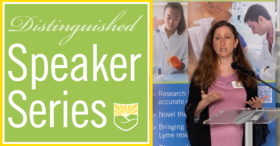
 “I want to leave you with hope. I think we’re going to be unstoppable because I think that these are solvable problems. These are answerable questions. I think that there are already a lot of existing tools in immunology that just need to be brought into the fight, and we can change this.”
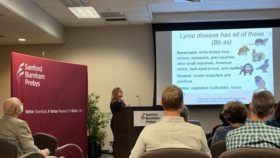
 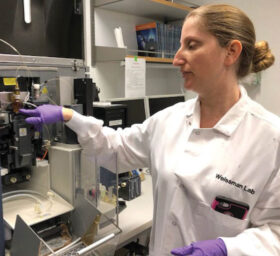 Any respectable pathogen that can establish a persistent infection needs to figure out your immune system to the point that it can evade it. The fact that it has persisted means that it was able to evade your immune clearance. And so, I got to that from a very interesting direction working on immune regulation, trying to understand these brakes on the immune response and how they impact the response to infection. The immune system has the power to kill you and obviously, nobody has any incentive for that to happen. So, there are a lot of mechanisms in place to put brakes on the immune system and reign it in. One of the huge developments in cancer over the last two decades has been reevaluating the question: can we take those brakes off? So in my postdoc, I was studying a particular checkpoint where this was turning into an exciting immuno-oncology target, and I said, ‘I want to look at how this checkpoint is used in infection.’ I realized that this checkpoint was being used to help you survive an acute infection, but created a vulnerability for pathogens to evade immune clearance and establish chronic infection much like it allows cancer cells to evade immune clearance. In an amazing collaboration with Irv Weissman, Balyn Zaro, and Jenifer Coburn we realized that the bacteria that cause Lyme disease manipulate this brake and that’s how I became fascinated with Lyme. But I also became concerned about turning off this brake in cancer patients because I was concerned about what would happen if you used this on cancer patients during an active infection. Indeed, the
 Charlotte Mao: