
Bay Area Lyme Leading the Way Series
By Liz Horn, PhD, MBI, Principal Investigator, Lyme Disease Biobank
“The window for effective antibiotic treatment is narrow. Miss it—because of a false negative test, because symptoms are dismissed, or because follow-up doesn’t happen—and patients can develop persistent Lyme, which can be debilitating.”
– Dr. Liz Horn
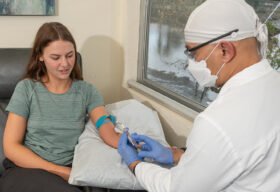
After a decade of collecting blood samples, testing the samples, tracking patient outcomes, and analyzing data from more than 800 participants, the numbers tell a powerful story about the gaps in our understanding of how we diagnose and treat early Lyme disease. And it’s made all the more urgent by this summer’s explosion in blacklegged (deer) tick populations across endemic areas.
Our latest Lyme Disease Biobank study looked at more than 250 patients with early Lyme disease on Long Island and in Central Wisconsin who provided a blood draw at enrollment and a second blood draw three months later. Published recently in Frontiers in Medicine, these 10 years of data confirm a few important points that have been known in the Lyme field for years, but the wider medical community may not be aware of.




 Our Ticktective host, Dana Parish, interviews Dr. Neil Nathan, renowned physician and best-selling author. Dr. Nathan specializes in treating chronic illnesses, particularly those related to environmental toxins, vector-borne infections, and complex systemic disorders. With decades of experience in clinical practice, he focuses on understanding the impact of toxins on health and is dedicated to helping patients recover from illnesses that conventional medicine often struggles to address. His bestselling book,

