New Peer-Reviewed Publication Highlights Evidence of Mother-to-Child-Transmission of Lyme Disease Bacteria During Pregnancy and Calls for Urgent Research

maternal fetal transmission of Lyme

FOR IMMEDIATE RELEASE


New Peer-Reviewed Publication Highlights Evidence of Mother-to-Child-Transmission of Lyme Disease Bacteria During Pregnancy and Calls for Urgent Research

New paper in Frontiers in Medicine reports results of meeting of international researchers at the Banbury Center of Cold Spring Harbor Laboratory

PORTOLA VALLEY, Calif., April 9, 2026Bay Area Lyme Foundation, a national nonprofit and leading sponsor of tick-borne disease research in the US, today announced publication of a new peer-reviewed article in Frontiers in Medicine examining the transmission of the Lyme bacteria during pregnancy. The publication points to observational research demonstrating that Lyme bacteria are capable of being transmitted from mother to unborn child and recognition by both the Centers for Disease Control and Prevention (CDC) and the National Institutes of Health (NIH) of the potential for mother-to-child transmission. With approximately 500,000 Americans diagnosed with Lyme disease each year and the related correlation of transmission during pregnancy being associated with serious adverse pregnancy outcomes, such as miscarriage, stillbirth, or congenital infection that occur in some cases, the paper concludes that the clinical impact of Lyme disease on pregnancy and infant health is an important public health issue that has been insufficiently studied.

“As an infectious disease pediatrician, I have seen firsthand the impact of Lyme disease in children and have suspected that the infection may have been passed from mother to child during pregnancy in a number of my patients, based on their medical histories,” said Charlotte Mao, MD, of Bay Area Lyme Foundation and a co-author of the study. “The first case studies of mother-to-child transmission were observed in the 1980s, yet decades later, we still lack sufficient research and clear, evidence-based guidance on Lyme in pregnancy and adverse pregnancy outcomes. This is an important public health issue and underscores the urgent need for rigorous studies to fully understand the risks and support patients and healthcare providers in making informed decisions that better protect maternal and infant health.”

Study authors highlight the great need for real-world studies clarifying how Lyme Borrelia, the bacteria that cause Lyme disease, the most common vector-borne disease in the US, behaves during pregnancy, and quantifying the outcomes for mothers and infants. Specifically, the paper suggests the creation of large, prospective studies of pregnant individuals with Lyme disease, including systematic long-term clinical follow-up of their children, as well as the importance of collecting biological samples from mothers, placentas, and infants through coordinated biorespositories for use in current or future studies.


Treating Complex Chronic Diseases: Novel Therapeutic Options for Lyme Patients

Bay Area Lyme Speaker Series with Steven Harris

BAL Happenings Series


Bay Area Lyme Speaker Series San Jose 2022
Dr Steven Harris speaking at the Bay Area Lyme Speaker Series in San Jose, September 29, 2022

Dr. Steven Harris, a physician specializing in Lyme at Pacific Frontier Medical, was guest speaker as part of our Distinguished Speaker Series. His presentation on the complexity of tick-borne diseases is transcribed below to share his invaluable insights into novel treatment options for those living with chronic/persistent Lyme and other intractable infections that severely curtail patients’ quality of life, bringing hope and restoring health to many. Note: This transcribed presentation has been edited for clarity.

What is “Precision Medicine”?

“The concept of precision medicine, which is a growing area, is where we look at an individual and try to create a tailored plan for that person. I think many doctors wish that we could have a ‘cookbook’ approach to medicine that would work for our patients. But unfortunately, that approach doesn’t work. Luckily, here in the San Francisco Bay Area, there are doctors offering precision medicine including Dr. Sunjya Schweig in Berkeley, Dr. Christine Green, with us at Pacific Frontier Medical, and Dr. Eric Gordon, at Gordon Medical Associates in Marin and others. And thankfully, we have Stanford and UCSF (our local medical centers) that we work peripherally with. In addition, the Open Medicine Foundation is making great strides in understanding illness and Dr. Mike Snyder’s group at Stanford who are working on multi omics for chronic fatigue that track an individual patient’s data.

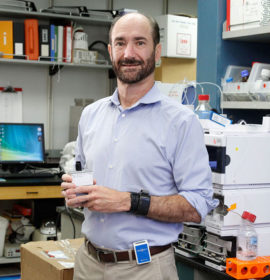
Mike Snyder, PhD
Mike Snyder, PhD, Stanford University

“These doctors are working in their own fields, not necessarily just tick-borne diseases, but our work overlaps. For example, the Snyder Lab multi-omic study involves genomics, epigenomics, metabolomics, where they are looking at tons of data and assimilating a lot of this different data to try to create treatment plans that work for the individual, because of the fact that a ‘cookbook’ approach doesn’t work for this group of chronic complex patients. For example, we look at someone’s multi-ome and the parts that make them up, including their microbiome, epigenome among many others, which is becoming a bigger and more exciting field. One of the practical aspects we try to determine is how to address an individual’s level of inflammation, the diversity of their personal bacterial flora, and how to help compensate for any deficiencies—or over abundances—that help contribute to disease.