Ed Breitschwerdt, DVM, PhD: Bartonella, PANS & Autism: The Infection Connection

Ticktective Podcasts

Ed Breitschwerdt, DVM, PhD

Dr. Edward B. Breitschwerdt is a professor of medicine and infectious diseases at North Carolina State University College of Veterinary Medicine. He is also an adjunct professor of medicine at Duke University Medical Center, and a Diplomate, American College of Veterinary Internal Medicine (ACVIM). Dr. Breitschwerdt directs the Intracellular Pathogens Research Laboratory in the Institute for Comparative Medicine at North Carolina State University. He also co-directs the Vector Borne Diseases Diagnostic Laboratory and is the director of the NCSU-CVM Biosafety Level 3 Laboratory.

Breitschwerdt’s clinical interests include infectious diseases, immunology, and nephrology. For over 30 years, his research has emphasized vector-transmitted, intracellular pathogens. Most recently, he has contributed to cutting-edge research in the areas of animal and human bartonellosis.


Getting to the Heart of the Issue – Lyme Carditis: Why Early Diagnosis is Critical

by Wendy Adams, Research Grant Director and Advisory Board Member, Bay Area Lyme Foundation


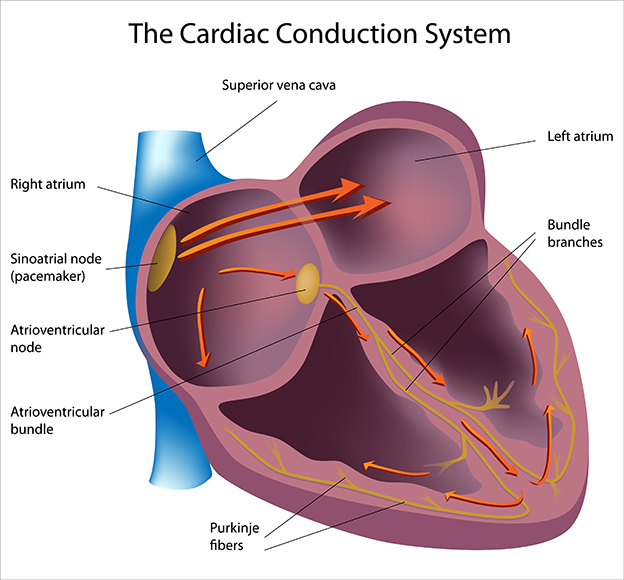
Recently, we’ve started to hear more about Lyme carditis as one potentially lethal manifestation of Lyme disease.  What exactly is it, why does it happen, and how does it cause disease?

What is Lyme Carditis?

First of all, a little Latin.  When you see the suffix “-itis”, it denotes inflammation – often caused by an infection.  So, carditis literally means inflammation of the heart.

When a Borrelia infection enters the body, we know from animal studies that it disseminates quickly.  It tries to find the tissues where it is most comfortable, and often that includes the heart.  Borrelia can infect all parts of the heart – the myocardium, the pericardium, and the endocardium, the cardiac muscle, the valves, and even the aorta itself.  The immune system senses the presence of the spirochete bacteria and induces inflammation, the first prong of the immune system’s response.